Technology certifications have become an important way for IT professionals to validate their technical knowledge, demonstrate practical skills, and advance their careers in an increasingly competitive global job market. From cloud computing and cybersecurity to artificial intelligence, DevOps, networking, and data engineering, professional certifications help individuals stay relevant as technologies, tools, and industry requirements continue […]
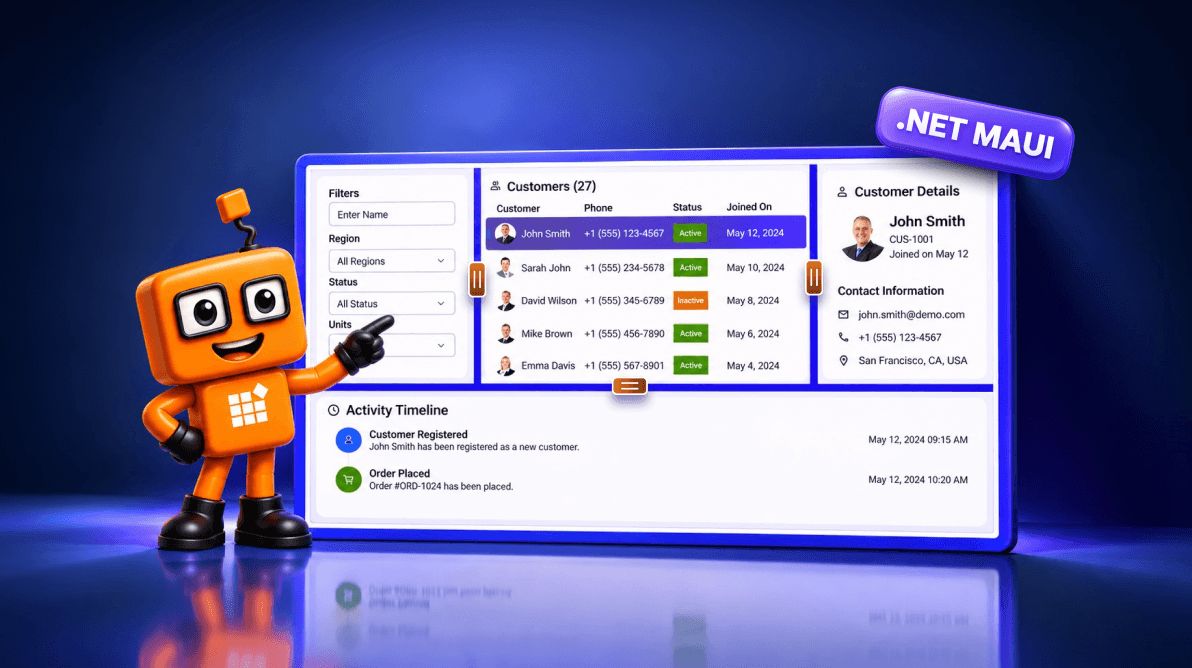
How to Build Resizable Layouts with the .NET MAUI Grid Splitter
TL;DR: Learn how to build flexible, multi-pane interfaces in .NET MAUI applications using the Syncfusion Grid Splitter. Explore how to configure pane sizes, horizontal and vertical splitters, and collapsible sections to create adaptable multi-pane layouts. Applications often need to display multiple views on the same screen, so efficient space management is key to the user […]
Make Space for Digital Hobbies After a Day in DevOps
After a day spent watching dashboards and working through tickets, opening your laptop for fun can feel oddly familiar. The screen hasn’t changed. Neither has the temptation to turn whatever you’re doing into a project. But your evening can run on different rules. You might open a music app, revisit a favourite game or collect […]
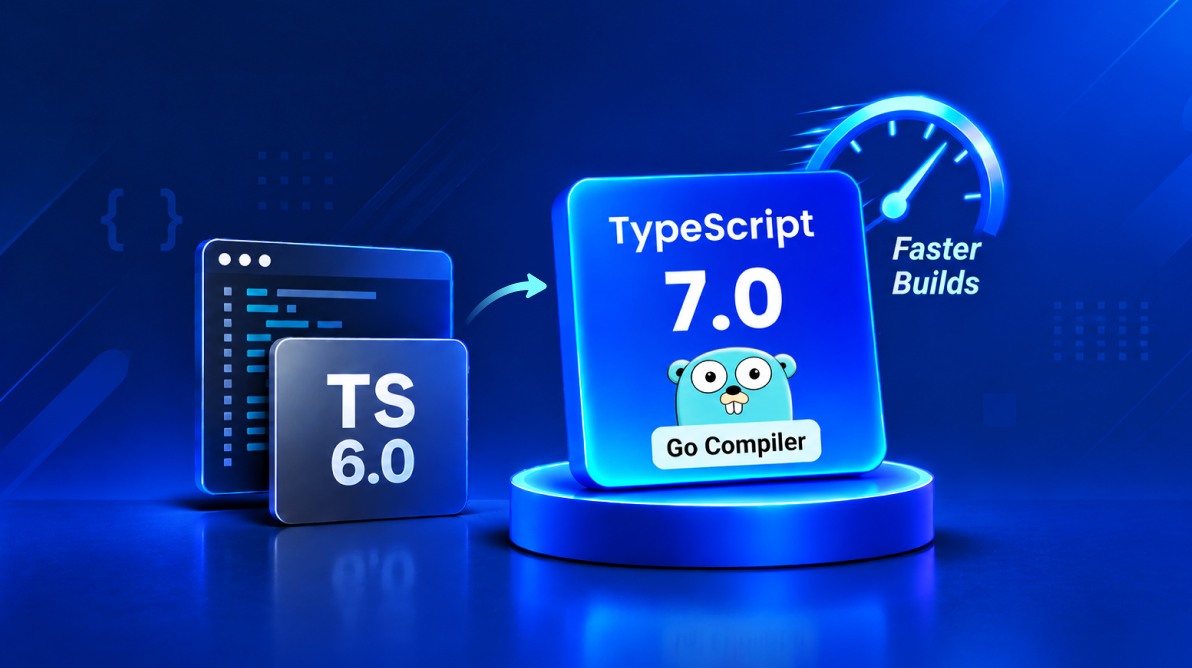
TypeScript 7.0 Migration Guide: Performance, Compatibility, and Upgrade Steps
TL;DR: TypeScript 7.0 introduces a native compiler written in Go, with Microsoft’s benchmarks reporting 7.7× to 11.9× faster full builds across five selected projects. This guide covers compiler API compatibility, framework and editor support, tsconfig.json changes, and practical benchmarking steps to help you evaluate the upgrade for your project. Is your project ready for TypeScript […]
Terraform Tools for Developer Productivity Master Guide
Tools, Workflow, Security, Testing, CI/CD, Automation, AI Assistance, Governance, and Production Best Practices Verified baseline: 5 September 2026Audience: Terraform developers, DevOps/SRE, platform/cloud engineers, module authors, DevSecOps teams, and engineering leaders. This handbook treats Terraform development as an engineering system, not a collection of unrelated commands. The goal is a fast local feedback loop, reproducible plans, secure authentication, […]
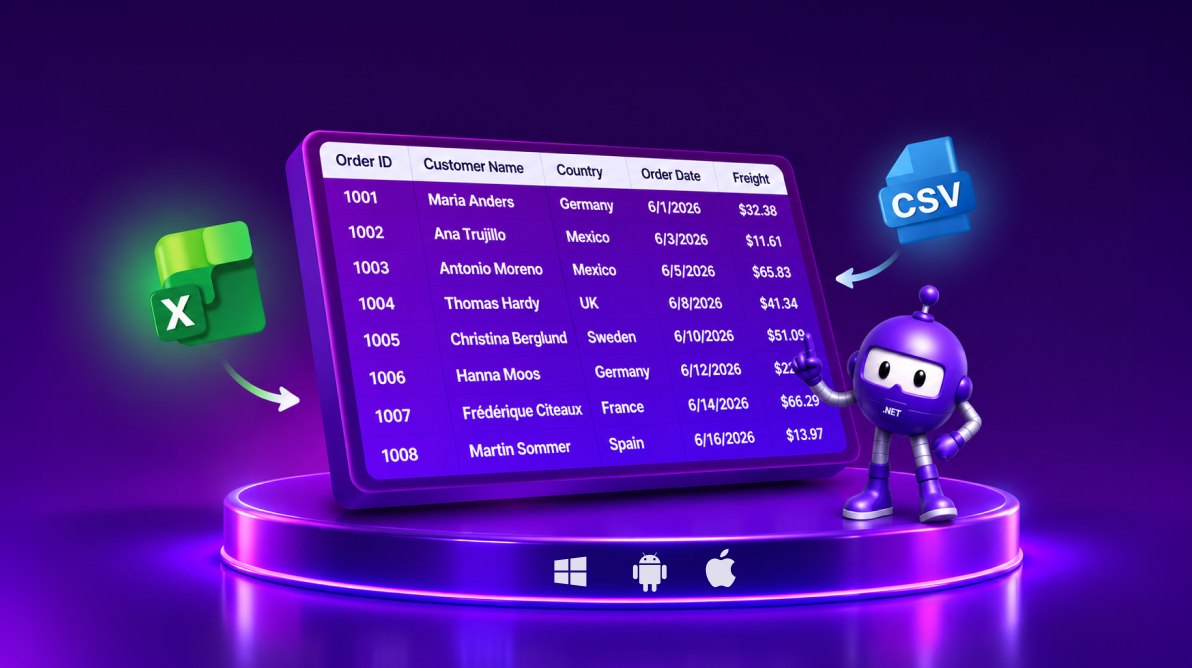
How to Import Excel and CSV Data into a .NET MAUI DataGrid
TL;DR: Learn how to import Excel and CSV files into a .NET MAUI DataGrid using FilePicker, Syncfusion XlsIO, and a lightweight CSV parser. The imported data is converted into a DataTable and displayed in an interactive DataGrid with sorting, filtering, grouping, and editing. Need to display data from Excel and CSV files directly in your […]
Continuous Integration Training Blueprint for .NET Teams (MSBuild, TeamCity, NUnit, NCover, FxCop, Web Deploy)
Originally published on 2014-09-12; fully revised and updated. This page turns the original Continuous Integration course post into a structured reference for engineers, team leads, and training coordinators. It explains what this CI curriculum covers, where each tool fits in the pipeline, and how to run hands-on labs for build, test, quality checks, and deployment […]
What’s New in Syncfusion .NET MAUI 2026 Volume 3: New Controls and Features
TL;DR: Syncfusion Essential Studio 2026 Volume 3 (v35.1.37) introduces five new preview controls for .NET MAUI: TreeGrid, Data Pager, Diagram, Grid Splitter, and Interactive Viewer. The release also adds a multirow layout for DataGrid, new scheduling and charting capabilities, Markdown and streaming support in AI AssistView, and marks Rich Text Editor as production-ready. Building .NET […]

Signs Your Organization Has Outgrown Its Current SaaS Stack—and What to Replace First
Things used to work smoothly. The apps did their jobs. The team felt productive. Now something feels off. People complain more. Tasks take longer. Simple things become frustrating. This is not a random slump. This is a sign. A big one. The current stack is failing. The business has grown. The tools have not kept […]

Introducing the .NET MAUI Interactive Viewer Control for Interactive Content
TL;DR: The new .NET MAUI Interactive Viewer control makes it easier to explore detailed visual content with built-in zooming, panning, rotation, and view reset. Learn how to add interactive viewing experiences for images, diagrams, technical drawings, floor plans, and other graphical content in .NET MAUI applications. When visual content needs closer inspection, a single fixed […]