ABOVE;DR: Struggling with broken layouts, missing annotations, or distorted images when printing PDFs in JavaScript? Discover how Syncfusion PDF Viewer provides excellent print quality, preview support, and flexible options for developers and users.
Why printing PDFs in JavaScript is so difficult
Printing PDFs in JavaScript is often more complicated than it seems. While the goal sounds simple, namely to render a document and send it to the browser’s print engine, the reality is much more complex.
When printing directly from web applications, developers often encounter problems, such as:
- Distorted formatting
- Missing annotation
- Incomplete content
This is where a powerful PDF viewer makes a difference. A good viewer doesn’t just display documents accurately on the screen; it also ensures the printout matches the original. This is especially important for professional documents such as invoices, contracts, and reports.
In this guide, we’ll explore why JavaScript PDF printing often fails, examine browser-specific rendering limitations, and show you how to Syncfusion® JavaScript PDF Viewer provides a reliable and optimal solution for smooth PDF printing.
Explore Now
Real-world problem: General printing failure in JavaScript PDF Viewers
Developers often struggle with blank page PDF printing, layout distortion, and missing content when working with JavaScript. Browser inconsistencies, canvas rendering limitations, and lack of error feedback make troubleshooting difficult. This issue disrupts the user experience and makes it difficult to develop document-heavy applications.
1. Print output challenges
- Damaged or mnot aligned Icome on out: Printed documents can lose their original structure, causing elements to shift or overlap, especially in multi-column or grid-based layouts. This has a direct impact on readability and professional presentation.
- Picture Ddistorted or Ctied: Improper handling of scaling and resolution during printing can stretch the image or cut out important visual details. The result is incomplete visuals and a poor first impression.
- NoEnglish Ccharacter Rend IWrong: Languages such as Chinese, Arabic, or Tamil may not print correctly due to missing fonts, encoding mismatches, or limited Unicode support in the browser’s print engine. This creates challenges for global accessibility and localization.
- Is lost QR Code and Barcades: Dynamically generated elements such as QR codes and barcodes, often rendered using canvas or SVG, may be skipped or rendered incorrectly during printing. This breaks workflows in logistics, authentication and tracking systems.
- Annotation is lost: Highlights, comments, and form fields often do not appear in the printed output, reducing clarity and disrupting the collaborative review process.
2. Lack of print preview option
One of the most overlooked, yet important, features in web-based PDF viewing is print preview. Without it, users would just print documents blindly, with no way to be sure what the final result would look like. This often causes:
- Misaligned layout which destroys the structure of the document.
- Missing annotations or form fields which undermines collaboration.
- Font rendering issueespecially custom or embedded fonts.
These problems are not just troublesome; this can cause serious problems in professional environments or environments where compliance is important and precision is important.
Unfortunately, many open source PDF viewers, such as PDF.js, only offer basic printing functionality and do not have dedicated print preview support. As a result, users don’t get the trust or control they need before clicking Print.
3. Browser specific printing failure
Browsers like Chrome often have difficulty printing canvas-based PDFs. Users may encounter blank pages or distorted output, especially in large or complex documents. These failures are often unpredictable and difficult to resolve, adding to frustration for developers and end users.

Read Now
Syncfusion Solution: Seamless, reliable PDF printing
Syncfusion JavaScript PDF Viewer addresses these challenges with a powerful and optimized printing engine. Instead of relying window.print() or canvas snapshot, it uses a special rendering pipeline that converts PDF pages into high-resolution images. This approach ensures consistent print quality, preserves layout and annotations, and avoids common browser-related issues.
1. High quality printing results
Syncfusion ensures exceptional clarity and accuracy by converting PDF pages into high-resolution images before printing. This method preserves the original layout, fonts, and embedded elements, while eliminating common browser-induced distortions.
Key elements retained in the printout include:
- QR codes and barcodes: Printed with precision to maintain scanning accuracy for logistics, ticketing, and form-based workflows.
- Annotations and highlights: User-added notes and emphasis are retained, supporting collaborative review and documentation.
- Images and logos: Visual branding and graphics print clearly without distortion or cropping.
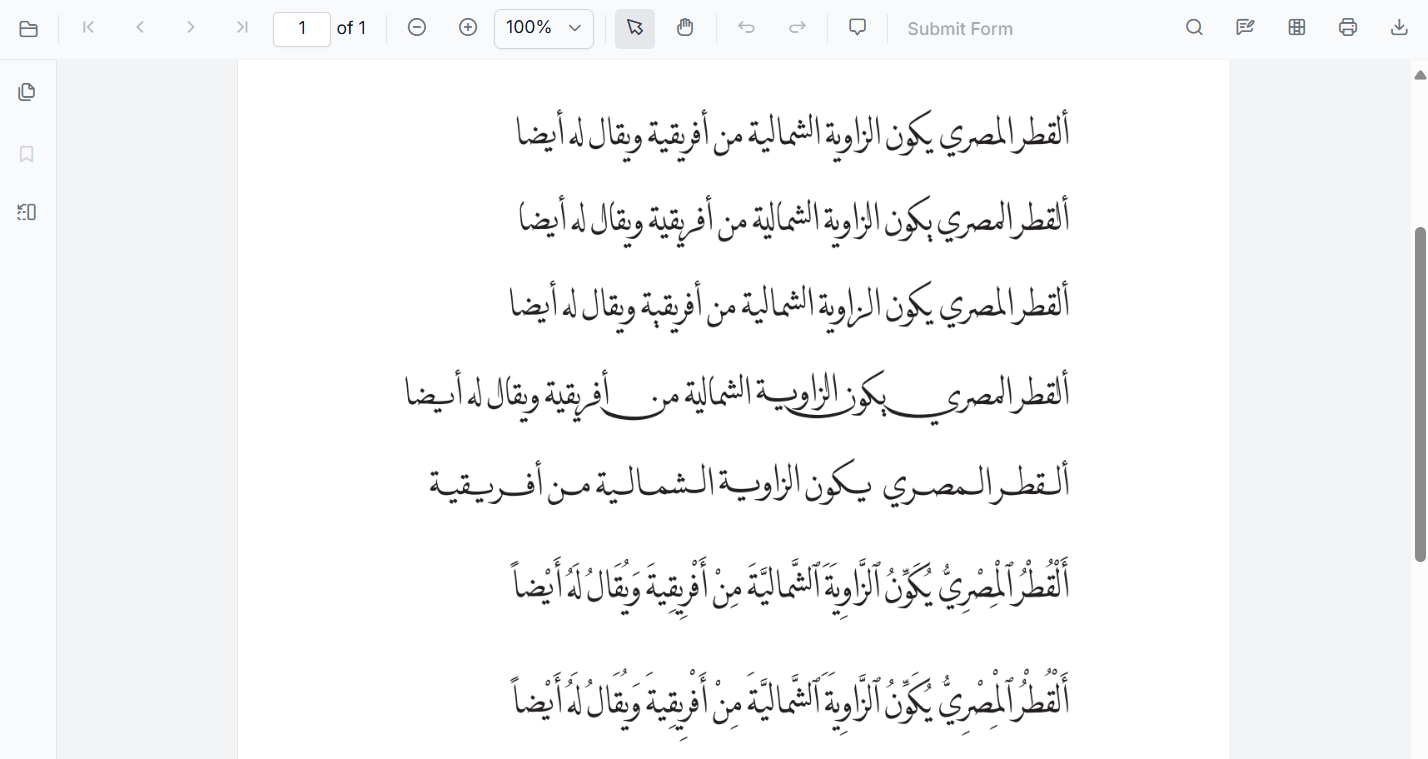
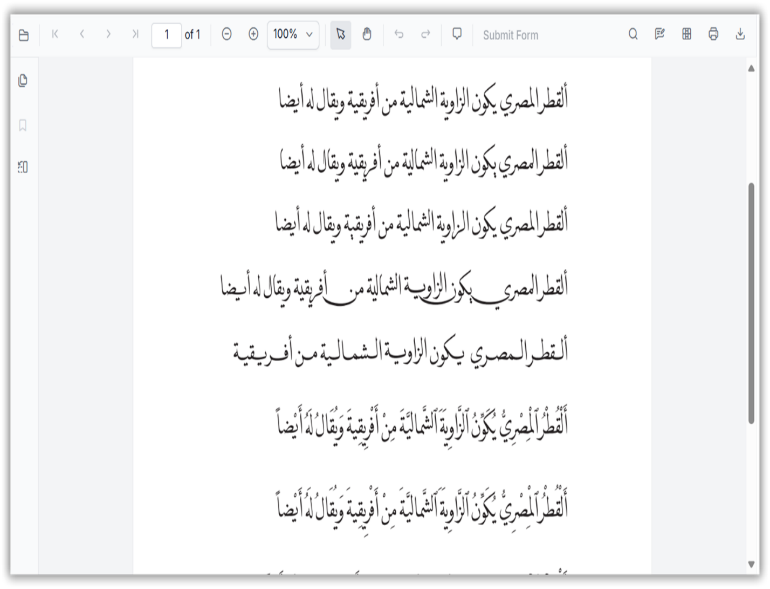
- Special characters and multilingual text: Unicode and font embedding ensures accurate rendering of global languages and symbols.
See the following image for further visual clarity.
Before printing After printing
 |
 |
This high-fidelity output makes Syncfusion JavaScript PDF Viewer ideal for industries where print quality is a priority, such as business, educationAnd government.
2. Support for print preview
Syncfusion JavaScript PDF Viewer includes built-in print preview feature. This helps users see exactly how the document will appear before printing. This eliminates the guesswork and reduces the risk of layout errors, missing elements, or formatting issues.
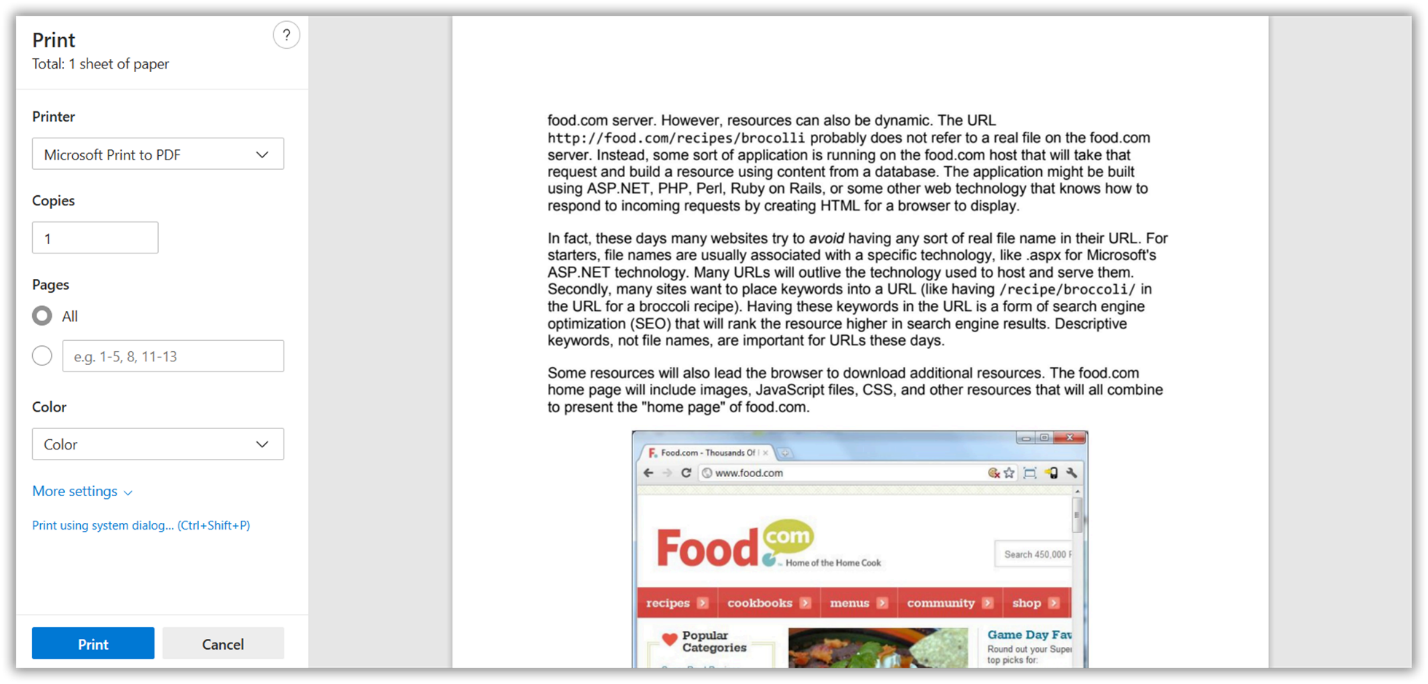
By offering a visual confirmation step, it increases user confidence and ensures that the final print results meet expectations, especially important in professional and compliance-based environments.
Try Now
3. Flexible printing options
Developers can customize the printing experience with a variety of options:
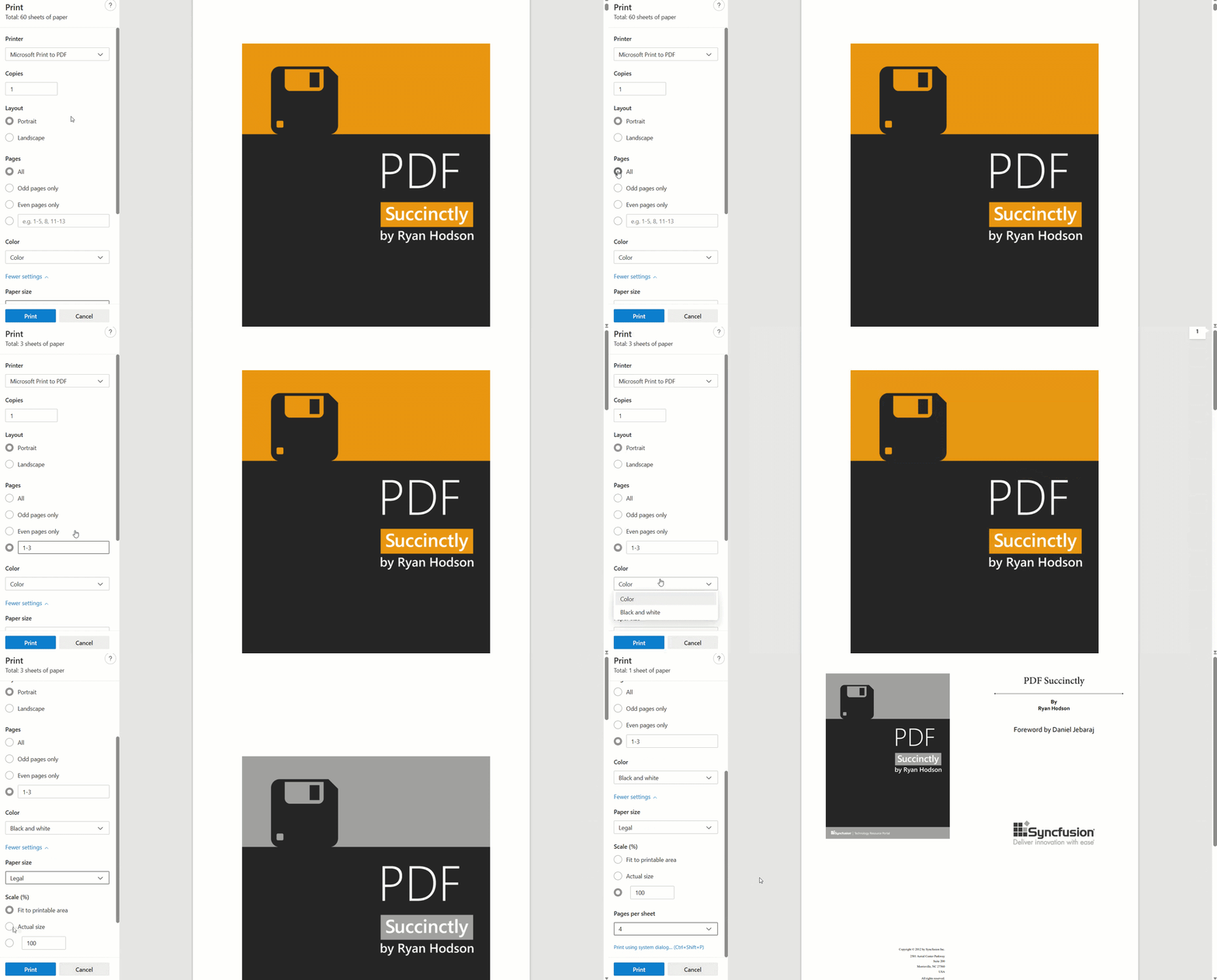
- Page range options: Rather than printing the entire document, users can select specific pages to print. This feature is especially useful for long PDFs, allowing users to focus on the relevant parts and saving resources.
- Content scaling: Developers can enable scaling options that adjust the size of the content to fit the selected paper dimensions. Whether zooming in for clarity or zooming out for fit, this feature helps maintain visual integrity across a variety of printing formats.
- Paper size customization: The viewer supports a variety of standard and custom paper sizes, allowing documents to be printed according to specific needs. It’s ideal for use cases involving legal forms, certificates, or custom templates.
- Color printing vs. color printing black and white: Users can switch between color and grayscale printing, helping to save ink or match certain document standards.
- Pages per sheet: Allows printing multiple pages on one sheet (e.g., 2-up, 4-up), which is useful for saving paper or creating compact handouts.
- Built-in headers and footers: It includes basic headers and footers, such as page numbers and timestamps, improving document clarity without requiring special formatting.
Please see the image below for more information.
4. Fixed PDF printing problem in browser
While many browsers struggle to print canvas-based PDFs, often displaying blank or distorted pages, Syncfusion JavaScript PDF Viewer avoids this problem by using a powerful print module that renders each page accurately. The result is consistent printing across all major browsers.
5. Improve print quality
Syncfusion provides PrintScaleFactor FIRE to improve the quality of the print results. You can arrange printScaleFactor between 0.5 And 5where higher values improve print clarity but can increase rendering time. The default value is 1.
Here’s a code snippet to implement this feature.
var pdfviewer = new ej.pdfviewer.PdfViewer({
    enablePrint: true,
    documentPath: "
    printScaleFactor: 0.5,
});
ej.pdfviewer.PdfViewer.Inject(
    ej.pdfviewer.Toolbar,
    ej.pdfviewer.Magnification,
    ej.pdfviewer.LinkAnnotation,
    ej.pdfviewer.ThumbnailView,
    ej.pdfviewer.BookmarkView,
    ej.pdfviewer.TextSelection,
    ej.pdfviewer.TextSearch,
    ej.pdfviewer.Navigation,
    ej.pdfviewer.Print
);
//By changing values, you can change the quality of the PDF.
pdfviewer.appendTo('#PdfViewer');
Notes: For more detailed implementation steps, customization options, and troubleshooting tips, see the Syncfusion JavaScript PDF Viewer documentation.

Try it Free
Reliable PDF printing in JavaScript: Simplified with Syncfusion
Thanks for reading! Printing a PDF in JavaScript isn’t always easy. Browser quirks, layout inconsistencies, and silent printing failures are common, especially when working with complex documents. Syncfusion JavaScript PDF Viewer simplifies this process by providing a reliable, cross-browser PDF printing experience you can trust.
With built-in print preview, flexible print settings, and a powerful rendering engine, this printer consistently produces accurate output. Annotations, form fields, QR codes, and multilingual content are maintained as expected, while developers get better control through APIs such as print scale factor and print lifecycle events.
If you are a Syncfusion user, download the latest setup from the license and downloads page. New to Sync? Get started with a 30-day free trial and explore PDF Viewer’s full JavaScript capabilities.
You can also contact us via our support forum, support portal or feedback portal. We are always happy to help you!
PakarPBN
A Private Blog Network (PBN) is a collection of websites that are controlled by a single individual or organization and used primarily to build backlinks to a “money site” in order to influence its ranking in search engines such as Google. The core idea behind a PBN is based on the importance of backlinks in Google’s ranking algorithm. Since Google views backlinks as signals of authority and trust, some website owners attempt to artificially create these signals through a controlled network of sites.
In a typical PBN setup, the owner acquires expired or aged domains that already have existing authority, backlinks, and history. These domains are rebuilt with new content and hosted separately, often using different IP addresses, hosting providers, themes, and ownership details to make them appear unrelated. Within the content published on these sites, links are strategically placed that point to the main website the owner wants to rank higher. By doing this, the owner attempts to pass link equity (also known as “link juice”) from the PBN sites to the target website.
The purpose of a PBN is to give the impression that the target website is naturally earning links from multiple independent sources. If done effectively, this can temporarily improve keyword rankings, increase organic visibility, and drive more traffic from search results.
